
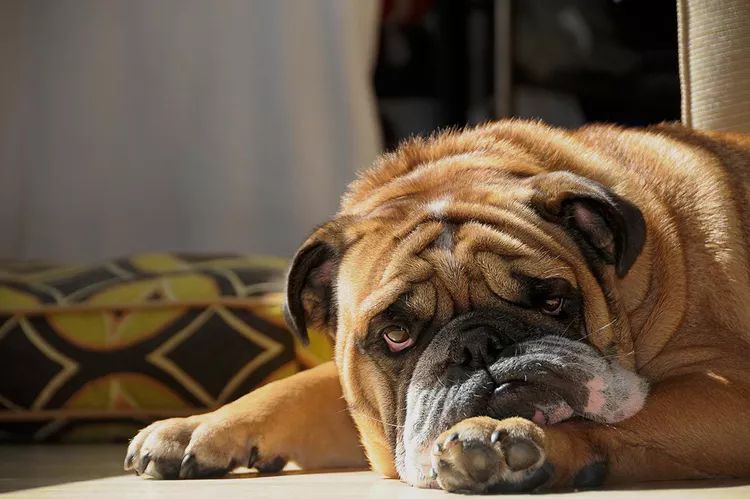
Is your dog vomiting? Although dog puke can be messy and unpleasant, the good news is vomiting in dogs is usually not a dire emergency. However, you should not ignore it. A dog who's throwing up could be having dietary issues, pancreatitis, or something else. It's important to address your dog's vomiting, so you can help your pet feel better soon and make sure it's not the sign of something more serious.
Causes of Dog Vomiting
Dogs vomit for a variety of reasons, some more serious than others. Sometimes it's easy to determine the cause, like when you see a chewed-up toy in the vomit or you know your dog ate something bad, like unhealthy human food. Other times it's much harder to determine the reason for vomiting. It may seem very gross, but you should examine the vomit before you clean it up.
Dietary Reasons
Dogs eating something they shouldn't can cause them to throw up. This often happens after a dog gets into the trash or eats table scraps. Examining the vomit and watching your dog's behavior afterward can give you clues to the cause. If the dog seems better after throwing up, the cause was likely a dietary issue and may be resolved without any further complications. Keep a close eye on your dog for the next day or two, watching for more vomiting or other signs of illness.
Health Problems
Vomiting may also be caused by something more serious, such as toxin ingestion, gastrointestinal obstruction, pancreatitis, and more. Vomiting is one of the most common signs of illness reported by dog owners. Dog vomiting and diarrhea often occur together, and loss of appetite or lethargy can also accompany the puke. Not only is it important to understand why dogs vomit, but you should also know how to respond when your dog is throwing up.
Dog Vomiting Treatment at Home
It's not usually serious if your dog only throws up once or twice. Many times, you'll see dogs vomiting but otherwise acting normal. However, it's important for you to take extra precautions when your dog is sick because dogs can't tell us how they really feel. In fact, dogs may instinctively hide illness for as long as possible as a survival instinct. Some sick dogs act as if they feel fine when they really don't.
Examining the Vomit
If your dog barfs, first have a look at the vomit.
- Is it food?
- Is it mostly bile or mucus? What color is it?
- Does the vomit contain white foam, water, or blood?
- Are there pieces of toys, clothing, or other inedible material mixed in?
It's a good idea to drop any foreign objects you may find into a baggie in case your vet needs to see them later. Write a note describing the vomit so you can describe it to the vet, and take a photo if you can. If lethargy, diarrhea, or other signs of illness accompany the vomiting, document that, too.
Wait and Observe
After a dog vomits, it's generally best to withhold food for several hours and observe, but don't withhold water. If your dog vomits one time and then acts completely normal, you can probably resume your normal feeding routine within six to 12 hours or when the next meal is due. Just keep watching your pet for vomiting and other signs of illness.
When to Call the Vet
Never give medications without your vet's advice. If vomiting occurs a few times throughout the first day and is still happening the next day, contact your vet. If your dog won't eat for two days in a row, you should contact your vet even if the vomiting has stopped. Diarrhea sometimes occurs during or after vomiting episodes. Call your vet if your dog's diarrhea doesn't begin to improve within a day or two.
Chronic vomiting (ongoing or more than once a day) isn't normal either. If your dog vomits "off and on" for more than a day or two, you should schedule an appointment with your vet. In addition to a physical examination, additional testing may be required.
In these circumstances, you should contact your vet immediately:
- Vomiting is frequent for several hours in a row.
- Your dog is on medication that may cause vomiting (stop giving the medication and call your vet).
- You suspect your dog ingested a foreign body, such as a toy or clothing.
- Your dog shows extreme lethargy or unresponsiveness.
- You suspect your dog may have ingested a toxin.
- You see excessive amounts of blood in the vomited material (mild blood spotting is not an emergency, but call the vet if it continues).
- Your dog's abdomen has a bloated appearance (it could be GDV aka "bloat" or something else that might be serious).
- Your dog's abdomen seems to be painful.
- Your dog's gums are pale, white, bluish, or gray in color.
- Your dog is having trouble breathing.
- You're in doubt about whether your dog's condition is serious.
Warning
If your dog vomits for more than one day, go to the vet immediately. This may be a sign of a gastrointestinal obstruction (like a foreign body) or another serious illness. As always, communication with your veterinarian is an essential part of keeping your dog healthy.
Food and Water for Vomiting Dogs
If your dog vomits again at the next meal, but the vomiting stops after a few hours, try offering your dog a small amount of water first. If your dog keeps ingested food down, offer a small amount of bland food like plain white rice with boiled chicken. After boiling bland food for your dog, drain off as much fat as possible. Do not add any salt or other seasonings.
Offer your dog a couple of tablespoons of the bland food mixture. If your dog won't eat, don't push the issue. Try again in a few hours. If your dog eats and keeps the food down for an hour, try feeding a little more food. Repeat this until the next day. If vomiting doesn't recur and your dog's appetite is good, you can start to gradually add back your dog's normal food to the bland diet mixture.
How to Prevent Vomiting in Dogs
It's not really possible to prevent your dog from ever vomiting. But you can take the following common-sense precautions to limit exposure to risks that may cause nausea and vomiting:
- Keep trash, table scraps, cleaning solutions or solvents, lawn and garden chemicals, and any other toxic materials away from your dog.
- Discard broken or damaged chew toys. Keep an eye out for other chewed items that your dog may have eaten or swallowed.
- Serve your dog fresh, high-quality food. Prevent access to toxic foods like avocados, chocolate, onions, garlic, grapes, and alcohol.
-
What do I give a dog for upset stomach and vomiting?
You might try some bland food, boiled chicken and rice, mixed with some canned pumpkin. If this doesn't work, it might be smart to let your dog ride this out for a number of hours while fasting so their stomach will calm down.
-
What do I feed my dog after vomiting?
Plain, bland food, like boiled chicken and rice. Not too much, as your dog may be hungry and not realize they're still nauseated.
-
When should I take my dog to the vet for diarrhea and vomiting?
If your dog doesn't stop vomiting or having diarrhea, or does so more than two to three times in half a day, call your vet. If you see blood in the vomit, call immediately.