
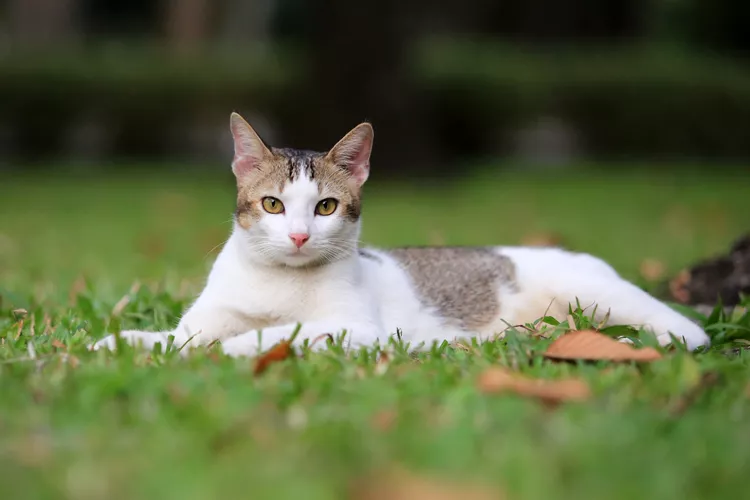
Cat owners know that the primary staple in their pet's diet should be meat, as they don’t derive nutrition from fruits or vegetables the way humans (or even dogs) can. And while chicken, beef, and fish are all fine options, is salami also on the list of cat-friendly meats?
A form of cured sausage that typically blends beef and pork, salami (and its popular pizza topping relative, pepperoni) is technically safe to offer your cat. In fact, a Google search of "can cats eat salami?" inspired a viral article and series of popular memes last year. However, cute cat memes aside, salami still may not be the best “human” food to be sharing with your feline friend.
Is Salami Safe for Cats?
One of the potential issues with salami is that it isn’t actually a cooked meat like pork or beef; instead, salami is prepared by fermenting and air-drying. So that means there’s always the risk of it being contaminated with bacteria like Salmonella or Trichinellosis, another lesser-known parasitic disease.
While it’s relatively rare, salami has been the culprit of Salmonella poisoning in the past (one outbreak in 2010 impacted hundreds of people). So sharing salami with your cat will always post a slight risk, even though Salmonella doesn’t seem to affect cats in the same way as humans. However, if your cat has been affected by salmonella, cat owners should be on the lookout for symptoms ranging from vomiting, diarrhea, and abdominal pain to lack of appetite, dehydration, and high fever.
Dangers of Feeding Cats Salami
Pregnant cats, in particular, shouldn’t be offered salami; much like human moms-to-be are urged to avoid uncooked foods and deli meats, pregnant cats should also avoid this particular meat. In severe cases, septicaemia and endotoxemia may develop, which are life-threatening conditions that can spread to different organs and cause pneumonia and meningitis in cats—and cause miscarriage in cats that are already pregnant.
Likewise, kittens haven’t fully developed their immune system, so any toxins and bacteria lurking in that piece of salami are even more likely to make the youngest kitties sick. Avoid offering your kitten salami, and if you do, it should be a very small amount and only on special occasions.
Another drawback to cats eating salami is that it puts kitties at risk for obesity and other weight-related issues. Its high salt content isn't recommended for cats. To put it into perspective, one piece of pepperoni is packed with about 35 mg of sodium, but the recommended sodium intake for an average-sized cat over the course of an entire day is only about 42 mg. While some research has indicated that cats can actually tolerate a bit of extra sodium, it’s well-known that too much salt puts humans at risk for an array of health issues, ranging from hypertension to kidney disease, so it may not be worth the risk. For cats who are already suffering from kidney or renal disease, your veterinarian will more than likely suggest a lower-sodium diet and skipping treats like salami.
While cats process fat differently than humans, salami is also fairly high in saturated fat, which could also increase their risk for obesity. Additionally, salami often contains spices like chili peppers and paprika that can upset their stomach. Though the amount of spice in a piece of salami probably won’t lead to any major health issues, they could still cause indigestion and an upset stomach. However, other ingredients that may be found in that piece of salami, like garlic, can cause far more serious consequences for your kitty—garlic is toxic to both cats and dogs, as it contains chemicals that can either damage or destroy red blood cells.
How to Share Salami With Your Cat
In general, always be sure to double check with your veterinarian before offering “people food” like salami to your cat, and start with small amounts to see how your cat tolerates it. For the most part, if your cat is begging for a sample of salami then it's okay to let him or her enjoy a few nibbles every now and then--but it's certainly not a human food that should be offered to your pet on a regular basis.
And what about sharing the topping of that pepperoni pizza? Pepperoni tends to be more spicy than salami, and is still chock full of sodium, so it’s still not the best snack for your cat. When choosing a salami for your cat, try to track down a more natural variety made with meat and fat and only moderate amounts of added salt (and sans any potentially toxic ingredients like garlic).