
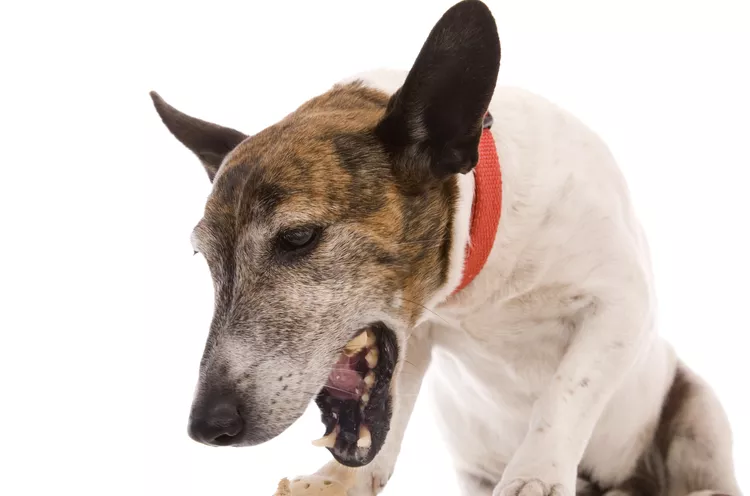
Pneumonia affects a dog's lungs, making it difficult to breathe. If left untreated, it can become a life-threatening condition for your pet. Your dog will need veterinary care, but you'll also need to know how to help a dog with pneumonia at home. Learn how to recognize the symptoms of this disease so you can seek medical attention for pneumonia in dogs.
What Is Pneumonia?
Pneumonia is a lung disease characterized by inflammation inside the microscopic parts of the lungs, called air sacs. It causes swelling, pus, and/or fluid to develop within the lungs, making it difficult for a dog to breathe. Because the lungs are not normally filled with fluid or pus, there is less room for air to fill these balloon-like structures in the chest.
Symptoms of Pneumonia in Dogs
The signs of pneumonia in dogs are often the same as in people. If the dog is not medically evaluated and treated, the symptoms will worsen and they will not resolve on their own.
Discolored or Bloody Mucus
This mucoid discharge is typically green, yellow, or even bloody (when there is an infection). Infections are quite common with pneumonia. Colored mucus may be seen coming from the nose after a productive cough, but sometimes no mucus is seen.
Fever
Dogs with pneumonia may develop a fever (rectal body temperature over the normal 102.5 degrees Fahrenheit). This may occur due to the secondary infection inside the lungs.
Difficulty Breathing
Anytime the lower respiratory tract is compromised there may be difficulty breathing. This is most easily recognized with short and shallow breaths that can turn into hyperventilation and coughing deep in the chest which may or may not produce mucus.
Discolored Mucous Membranes
Your dog's mucous membranes may be discolored and take on a shade of blue, gray, or purple - this is a sign of very severe disease and may not be seen in most cases of pneumonia. Check your dog's gums, genitals, nasal passages, and around the inside of the eyes to look for discoloration, which occurs when there's not enough oxygen coursing through a dog's system.
Loss of Appetite
In addition to the other symptoms, a dog with pneumonia doesn't feel well and often doesn't eat much, if at all. Your dog may also not want to eat if they can't smell food.
Lethargy/Fatigue
Since the lungs aren't able to work efficiently in a dog with pneumonia, oxygen isn't being moved throughout the body very well. This will result in your pet acting listless and feeling exhausted.
What Causes Pneumonia in Dogs
Pneumonia can be caused by irritation, injury, or an infection of the lungs. Some examples of these causes include:
Inhaled Irritants
Aerosol sprays, smoke, air pollutants, and other inhaled irritants may cause inflammation in the lungs and result in pneumonia. Pets who live in homes where their owners smoke are more likely to develop lung issues just like their human counterparts.
Aspiration
Aspiration is when food or other liquid or solid material is accidentally inhaled into the lungs. This can be seen in a dog that has been vomiting. It is also a potential complication associated with anesthesia if a pet vomits during anesthesia. Dogs with brachycephalic syndrome (Bulldogs, Pugs, etc) are more prone to aspiration pneumonia.
Diseases
The following diseases can be factors that make pneumonia more likely: megaesophagus, cleft palate, laryngeal paralysis, and others. Because of physical or anatomical changes, these diseases can make a dog more likely to develop an infection in the lungs which causes pneumonia.
Viruses
Secondary bacterial infections and inflammation due to viral infections such as parainfluenza, canine adenovirus type-2, and canine influenza may cause pneumonia. These viral infections are often easily spread from dog to dog.
Bacteria
The most common cause of pneumonia, bacteria such as Escherichia coli, Pseudomonas aeruginosa, Bordetella bronchiseptica, Streptococcus zooepidemicus, Pasteurella multocida, Klebsiella pneumoniae, and different Mycoplasma species often lead to infections that result in pneumonia. These bacteria may spread from dog to dog, but not commonly to humans. In the case of immunocompromised individuals, they should reach out to their physician with concerns over exposure.
Fungi
Fungal pneumonia may develop if a dog inhales certain fungal spores, including Aspergillus spp., candida spp., Cryptococcus neoformans, Histoplasma capsulatum, Blastomyces dermatitidis, Pneumocystis jiroveci, and Coccidioides immitis. Any dog can be affected, but those with supporesed immune systems are at greater risk.
Parasites
Some parasites migrate through or reside in a dog's lungs during their life stages and may cause pneumonia. Some of these are called lungworms or lung flukes and include the species Oslerus (Filaroides) osleri, Eucoleus (Capillaria) aerophilus, Paragonimus kellicotti, Filaroides hirthi, Crenosoma vulpis, Strongyloides stercoralis, and Angiostrongylus vasorum. Pneumonia may also occur secondary to heartworm disease.
Trauma
If an injury to the chest occurs, a dog may develop inflammation in the lungs. Pneumonia can result from being hit by a car, falling off a balcony, bleeding disorders, or any other chest injury.
How Vets Diagnose Pneumonia in Dogs
A veterinarian will perform a physical examination and discuss your dog's history and signs. The vet will also examine the dog's nasal discharge, coughing, temperature, and lungs. If pneumonia is suspected, the doctor will perform further diagnostic tests, including the following:
- X-rays of the lungs to check for fluid and inflammation
- Bronchial lavage (a wash of the cavity) to check if bacteria are present in the lungs
- Samples of the nasal discharge or lung fluid from the lavage may be sent out for a microbial culture or cytology to see what type of bacteria is causing pneumonia.
- Bloodword to see if there's an elevation in the white blood cell count which can indicate a systematic infection
How to Treat Pneumonia in Dogs
Pneumonia is serious and can be life-threatening to a dog, so it is typically treated in a veterinary hospital. Your veterinarian will provide instructions for home care when your dog is ready to be discharged. However, mild cases of pneumonia may be treated at home.
Veterinary Care
While your dog is hospitalized, the staff will monitor your dog's breathing and administer medications and procedures to help manage the illness. Here are the types of treatments you can expect your dog to receive for pneumonia:
- Antibiotics, antifungals, or antiparasitic drugs as indicated
- Anti-inflammatories
- Antitussives
- Expectorants
- Bronchodilators
- Steroids (infrequently)
- Coupage to break up mucus inside the lungs
- Humidifiers or nebulizers to loosen the mucus
- Short exercise sessions may encourage the dog to cough up the mucus
- IV fluids to administer medications and maintain hydration
- Supplemental oxygen to circulate more oxygen in the dog's body
Dogs with pneumonia will often not want to eat, but good nutrition is important in helping them recover. The staff will try to entice your dog to eat, but there are also medications to stimulate their appetite. In severe cases, a feeding tube may be put in place.
Your dog may need to stay in the hospital for several days until your vet feels they're healthy enough to go home.
How to Help a Dog With Pneumonia at Home
When your dog is discharged from the hospital, your vet will send you home with detailed instructions. While your dog continues to recover at home, there are a few things you can do to help:
- Give all medications as directed and finish all prescriptions unless your vet says otherwise.
- Provide fresh water and encourage your dog to drink to stay hydrated.
- Encourage your dog to eat by warming their food or offering extra smelly canned or baby foods.
- A nebulizer or humidifier can help loosen mucus in the chest; alternatively, you can put your dog in the bathroom while the shower is running as the steam can also help with chest congestion
- Limit your dog's activity to short walks and ensure they get plenty of rest. Your vet may recommend occasional bursts of activity to help break up mucus in the chest, so follow their advice.
- Keep other pets separate so your dog can rest.
Prognosis for Dogs With Pneumonia
In most cases, a dog appropriately treated for pneumonia will fully recover within a week or two. However, your dog may be prone to relapses in the future. Be sure to contact your veterinarian if you notice signs returning.
How to Prevent Pneumonia
The best way to prevent a dog from developing bacterial or viral pneumonia is to vaccinate them against common infectious diseases and minimize exposure to sick animals. Though vaccines are available for the most common causes of pneumonia, it's also best to keep dogs out of areas where they can pick up infections. Places where dogs frequent, including dog parks, dog daycare, and boarding facilities can all harbor bacteria and viruses that can cause pneumonia. Keep other dogs away from dogs who are coughing or showing signs of pneumonia or another respiratory disease.
If inhaled irritants are the concern, keeping the air clean where a dog lives can decrease the likelihood of it causing pneumonia. Air purifiers can help keep home air clean, pet owners should never smoke in the house or by their pets, and aerosol sprays should be avoided.
Is Pneumonia Contagious to Other Animals?
Pneumonia caused by a virus or bacteria can be contagious to other animals. Pneumonia that is caused by aspiration, an irritant, or trauma, and has inflammation but no infection, is not contagious. However, there is always a concern for an infection to develop. To be safe, if a dog is diagnosed with pneumonia it is best to keep it isolated and away from other pets.