
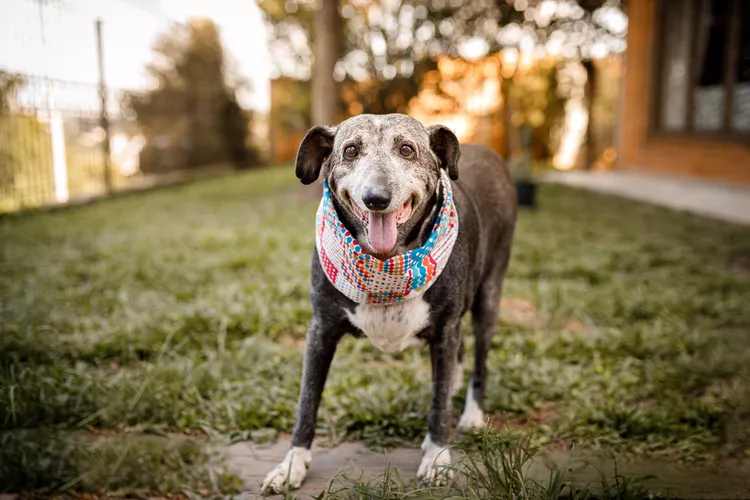
Seeing your dog reach seniorhood is a blessing, even if can be difficult to witness them start to slow down a little.
When your dog officially reaches senior status will depend on their size and genetics. Large breed dogs are considered seniors earlier with some giant breeds starting at age 5 or 6 years of age while smaller breeds become senior dogs later in life around age 8 to 10.
Of course, just because your dog hits a certain age doesn’t mean their health will start to go downhill overnight. With dogs, as with people, aging is often a slow and gradual process that begins with subtle physical and behavioral changes. By taking care of your senior dog properly from the outset, you can help manage this process—and ensure that your pup continues to live their best life, regardless of age.
Here are some ways to care for your aging dog and keep them healthy and happy as they face some of the challenges that come with being a senior.
1. Set Up Semi-Annual Vet Visits
Now is a good idea to increase your dog’s wellness exams from once a year to twice a year. This recommendation comes from the America Animal Hospital Association (AAHA), which notes that doing so will help establish baselines for your pet’s health and ensure that “clinically silent health abnormalities” are caught sooner rather than later.
2. Stick to a Healthy Diet
It’s definitely tempting to start indulging your pet more in their old(er) age, but it’s actually more important than ever to keep their diet healthy and balanced. Too many calories at this stage in their life could lead to inflammation and weight gain, both of which can decrease your dog’s quality of life.
3. Introduce Supplements as Guided by Your Vet
In addition to maintaining the same nutritious diet they’re used to, talk to your vet about introducing certain supplements, such as fish oil (good for bones, joints, skin, and coat), glucosamine (good for joints), and/or probiotics (good for digestive health). With regular consumption over time, supplements like these may be able to make a big difference in your dog’s health, and they can often just be added to their regular meals.
4. Keep an Eye Out for Subtle Signs of Discomfort
Dogs can’t talk, so it’s our job as their caregivers to watch out for signs they might be in distress. Some things to look for include limping, difficulties changing position, difficulties climbing stairs or jumping, and lying down when eating or drinking—all of which suggest that your pup is in need of a visit to the vet.
5. Monitor (and Mix Up) Your Dog’s Activity Levels
Just because your dog is a senior doesn’t mean that playtime and walks will come to a stop. It does, however, mean that they might need some more encouragement to stay active. Follow their lead when it comes to the length of activities and don’t force them to overdo it. You can also try out some new activities. Swimming, for example, is great for weight management and your dog’s joints.
6. Play Some Brain Games
Mental exercise is just as crucial as physical exercise for your dog’s well-being. Help keep their brain sharp with stimulating activities like puzzle toys, hide-and-seek, and treat “scavenger hunts” around the house. These workouts for the mind are key to keeping your dog in tip-top cognitive shape, and as a bonus, they’re a lot of fun for both of you.
7. Go For Adventures
Quality time with your dog becomes even more important as they get older. Make the most of every moment together—and give them all new sounds, sights, and smells to explore—by engaging in regular adventures together. Hop in the car and check out a nearby forest preserve, beach, or park that you don’t normally visit for a fun outing that will brighten up both your days.
8. Add in More Grooming Sessions
As your dog gets older, they might have a tougher time grooming themselves. Help pick up the slack with more at-home grooming sessions, including lots of brushings. If your dog is experiencing incontinence, make sure to schedule in additional baths, too. Not only will this allow you to keep your dog looking and feeling their best, it will also provide you with an opportunity to check for new lumps, bumps, or areas of irritation.
9. Don’t Neglect Dental Care
While we’re on the topic of grooming, it’s important that you take extra care with your dog’s oral care, too. Aging dogs are at an increased risk of things like gum disease and cracked teeth, which are painful, serious conditions that require vet attention.
Start brushing your dog’s teeth regularly with a finger brush and dog-friendly toothpaste, using gentle circular movements and placing your finger at a 45-degree angle to scrub at the gum line. And if you notice resistance, bleeding, swelling, or signs of pain, schedule an appointment with the vet.
10. Make Some Home Updates
Just as you puppy-proofed your home all those years ago, now is the time to optimize your living space for your senior dog’s needs. Some ideas include swapping out their old bed for an orthopedic and/or heated option, setting up a dog ramp next to their favorite pieces of furniture, and placing rugs on slippery surfaces like tile and wood. The goal is to keep your dog as safe and comfortable as possible, and to help them maintain some of their independence, even as they slow down.
It’s inevitable that your dog’s needs will evolve as they age. Pay close attention and be sure to show them all of the love they deserve. Spending time together—and being appreciative for every moment—is the best way to enjoy your dog’s senior years.