
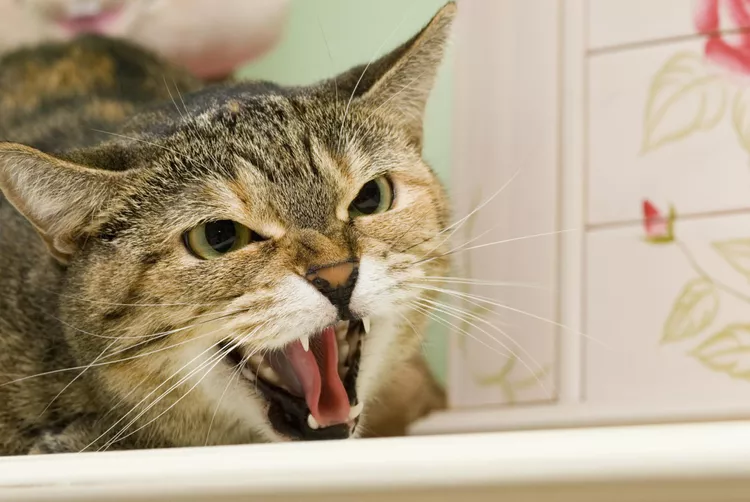
Petting aggression occurs when a cat lashes out in response to being touched, usually moments after they seem content with the touch. Of the several types of cat aggression, none confuses, frustrates, and frightens most owners as much as petting aggression, also called status-related aggression. The cat begs for attention and loves the petting, but then bites you after only a few strokes.
These cats may bite or scratch to say “leave me alone” and stop interactions such as petting, being lifted or approached, or being moved from a favorite perch. It's a common behavior in cats, but you can work with your pet to stop it.
Why Is Your Cat Aggressive During Petting?
Unlike dogs, cats often have a low tolerance for being petted and can become overstimulated quickly. The length of time it takes for petting to go from enjoyable to uncomfortable varies by cat. But when it reaches that point, the cat reacts almost as if it's being hurt or is in pain. Animal behaviorists refer to this as petting-induced aggression.
Petting aggression seems most common in young, energetic cats taken early from their litter and left alone for long periods during the day.
Smacking the cat may worsen aggression because most cats view physical correction as a challenge. They may become even more aggressive during subsequent petting sessions.
Petting aggression can be explosive and dangerous, especially for well-meaning young children. Learn to identify and avoid situations that might lead to this behavior.
Signs of Petting Aggression in Cats
Communication varies somewhat among cats, just as human speech may include different accents or colloquialisms. But body language offers clues as to what your cat intends to do:
- An active tail and turned-down ears point to a coming attack.
- Sudden dilation of the cat’s pupils indicates arousal.
- Increased heart rate (which you may feel if the cat's on your lap) indicates the cat is on alert.
- Purrs that transition to low growls warn you to back off.
- Rippling skin on the back suggests aggravation or irritation.
- Any sign or combination of signs means scratching or biting is imminent.
What to Do if Your Cat Acts Aggressive During Petting
These tips may help you get to the bottom of petting aggression and stop it from happening in the future.
Rule Out Medical Causes
There are some medical conditions that may cause a cat to become aggressive, and you should rule these out before you try to modify your pet's behavior. Have your veterinarian check for signs of arthritis, an injury, or dental problems to make sure it's not any physical pain that's causing your cat to aggressively reject your petting.
Change Your Behavior
As long as biting and scratching work, your cat will continue to use them to control interaction. Make these behaviors unnecessary by avoiding situations that prompt them, and/or manage the circumstances so the cat never gets a chance to bite or wield its claws.
Be consistent, though, and practice tough love. If you give up before you've established the ground rules for petting and aggression, you may have to start the conditioning from square one.
And remember, a pet's bad habits often become worse just before they go away as your cat tries harder to get the previously successful behavior to work again. Behaviorists call this an extinction burst, and when it happens, it means you’re on the right track.
Petting Threshold
Cats accept grooming from other cats on the head and neck. However, full-body strokes from a human may feel unacceptable and make the cat uneasy or uncomfortable. It's this feeling of unease that stimulates the biting or scratching.
Limit your petting to the cat’s head or the back of the neck. Then, identify your cat's petting threshold: count the number of strokes your cat allows before aggressing and pay close attention to their body language so you can stop petting before the cat overreacts.
It may be three strokes, five, or more. Once you’ve identified the limit, stop before the cat attacks so that you control the interaction. The key to reversing this behavior is letting the cat know you can be trusted.
If the cat is still sitting on your lap after you've stopped before their threshold, don’t push them off or they may claw at you. To end the petting, simply stand up and let the cat jump off. Don't interact with the cat, who may cry to get your attention. Other cats in this situation may simply run away and sulk.
Use Positive Reinforcement
Rewards and resources can be used to motivate the cat to properly respond. Pet your cat but stop before they reach the threshold. Then, offer a treat before standing up to dismiss your cat.
Use a treat or toy to lure your kitty off furniture or out of the way instead of pushing or lifting them, which puts your hands within the strike zone. Toss the treat on the floor or entice the cat down with a feather.
You can also clicker train your cat by pairing food rewards with a clicker that makes a noise.
Desensitization
With patience, you can desensitize your cat and improve their petting tolerance. If kitty allows three strokes before their ears and tail signal distress, add one more stroke, paired with a reward such as a clicker; then stop and let the cat off your lap before they can bite. By adding one stroke each week, over time you can increase its threshold while avoiding those sharp teeth.