
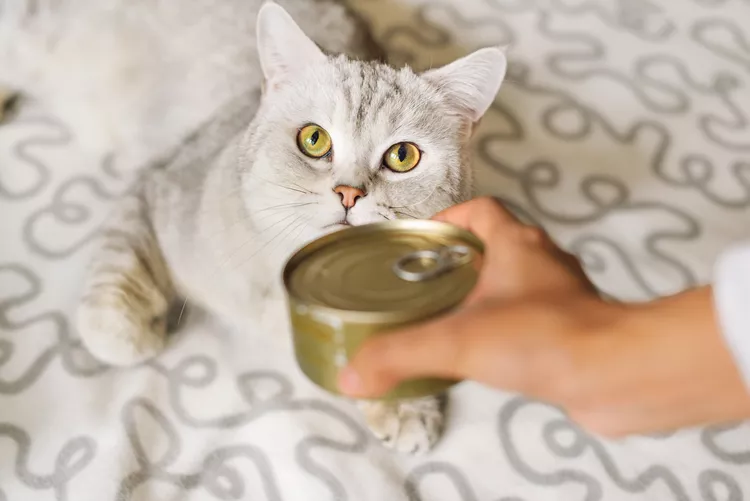
Amino acids are the individual compounds that make up all the proteins in both plants and animals. Taurine is one of these amino acids. Most mammals are able to synthesize taurine within their body from other amino acids, but cats cannot synthesize it in adequate enough concentrations, making it an essential amino acid for them. That is, cats need to obtain taurine from their diet.
What Does Taurine Do and Why Does My Cat Need It?
Taurine can serve a variety of purposes in your cat's body. The main function it's known for is in the aid of retinal function as well as heart function, but it can also help with digestion as well as reproductive development. Cats that aren't getting enough taurine in their daily diet can develop an array of symptoms in relation to these functions. The symptoms won't manifest immediately, but may take anywhere from five months to two years to surface. If your cat isn't getting enough taurine you may see any of the following:
- Feline central retinal degeneration (FCRD)
- Reproductive failure and impaired fetal development
- Feline dilated cardiomyopathy (DCM)
- Issues with your cat's digestion, especially of fats
Prolonged retinal degeneration that is left untreated can lead to blindness in your cat. While supplementing your cat's diet with taurine can slow down or even stop the progression of retinal degeneration, it won't reverse any blindness your cat may have suffered before supplementation.
If your cat's taurine-related dilated cardiomyopathy is caught early enough and if it is in turn treated with dietary supplements, the effects can be reversed. If left untreated, though, DCM can lead to heart failure and death.
In pregnant cats, low taurine can lead to smaller litter sizes and smaller birth weights, in addition to other congenital abnormalities. If the kittens are, in turn, fed a taurine-deficient diet, they can have delayed growth and development.
How Does My Cat Get Their Taurine?
Taurine was first discovered to be an essential amino acid in cats in the 1980s. As such, all commercial cat food has been supplemented with taurine to provide your cat with his/her needed concentrations. Taurine is only found in animal tissue, making cats obligate carnivores.
Pet food companies and researchers discovered that not all of the taurine they put into canned cat food is usable by your cat's body. This is due in part to the heat applied during the processing of canned cat food. The pet food companies have compensated for this by adding more taurine in their wet food formulations than dry food. So long as your are feeding a commercial cat food that is appropriate for your cat's age group (growth, adult maintenance, gestation/lactation) you can rest assured that there is enough taurine in your cat's diet.
It is important to note that when checking for the life stage of your cat's food, you should not rely solely on what is in giant font on the front of the bag, but also rather what the AAFCO statement says. AAFCO is the pet food regulating body and an AAFCO statement is typically found on the back or side panel and near the guaranteed analysis and/or ingredient list. In addition to telling you what life stage the food you is for, the AAFCO statement will tell you if the food has been formulated or if it has been tested.
Formulated simply means the pet food company followed the guidelines put forth by AAFCO to make a pet food for that species and for that life stage. Tested means the pet food company not only followed the guidelines but then also put the food through diet trials to ensure that it was healthy, complete, and safe for your pet to eat.
If you feed your cat a prescription diet, the levels of taurine in the diet are factored into formulating the diet to treat your pet's illness. If you home cook for your cat, you don't necessarily need to add a taurine supplement in if there is adequate taurine levels in your protein source, but review your specific recipe with your vet to ensure that your cat is getting all of the nutrients they need, including vitamins and minerals.
Do I Need to Give My Cat a Taurine Supplement?
Supplementing your cat's diet with additional taurine isn't always necessary. Again, all commercially available cat foods have enough taurine in them for their labeled life stage. If your cat has a taurine deficiency related illness, your cat may require supplementation in addition to eating an appropriate diet, at least until symptoms dissipate. Supplementation may also be required if the majority of your cat's diet is not from a commercial food.
Supplementing your cat's diet with taurine is relatively safe and supplements are readily available over-the-counter. You always want to check with your vet before starting your cat on a taurine supplement, though. This is because the FDA does not regulate supplements like it does medications, so not all supplements are created equal. Your vet can help point you in the right direction about what taurine supplement to choose.
Taurine is a vitally important amino acid that all cats need in their daily diet. If you have concerns about your cat not getting enough taurine, speak with your vet. They can help you troubleshoot areas of your cat's diet and help answer any question you have about your cat's food.